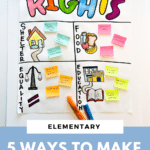


Engaging students in the world of social studies goes beyond learning dates and facts—it’s about immersing them in history, cultures, and communities to ignite their curiosity and critical thinking. In this blog post, we’ll explore 5 creative ways to breathe life into your social studies lessons, making the subject come alive and capturing your students’ attention. From interactive projects to technology integration, discover strategies that will transform your classroom into an exciting hub of historical exploration.
1. Arrange Virtual Field Trips and Use Digital Resources
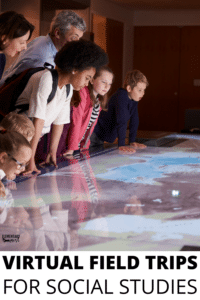
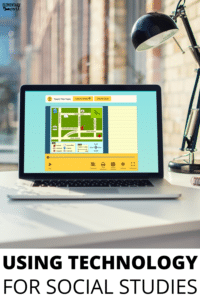
Firstly, a great way to create engagement in your social studies lessons is to utilize technology. With technology, you can transport your students to different parts of the world and various historical periods. Virtual field trips, interactive maps, and online museums offer immersive experiences that allow students to explore history beyond the confines of their classroom.
Activity Ideas:
- Virtual Tours: Virtually tour landmarks like the Great Wall of China or the Pyramids of Giza.
- Interactive Timelines: Use interactive timelines to trace historical events and their global impact.
- Interactive Timelines: Have students create their own interactive timelines of historical events using digital tools that include images, videos, and descriptions.
- Virtual Field Trips: Collaborate with museums that offer virtual exhibits on specific historical topics.
- Interactive Videos & Tools: Use interactive videos and tools from websites like BrainPop.
2. Get Interactive with Social Studies


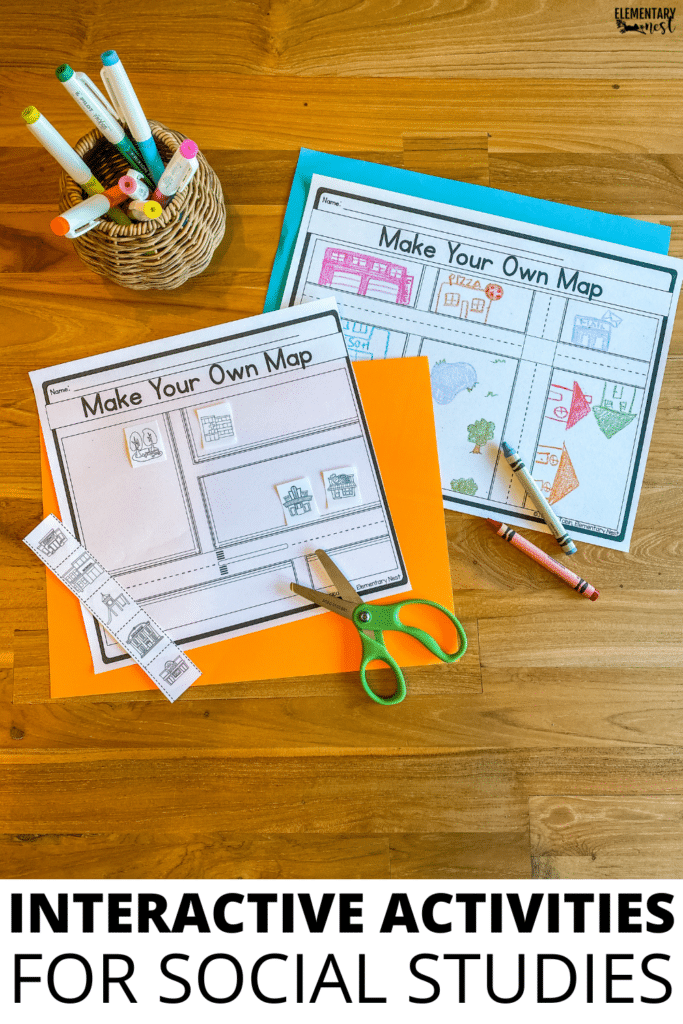
Next, you can increase engagement with interactive activities. Incorporate elements that are conducive to student involvement during your lessons. This could include anchor charts, interactive worksheets & activities, projects, games, or interactive reading and writing.
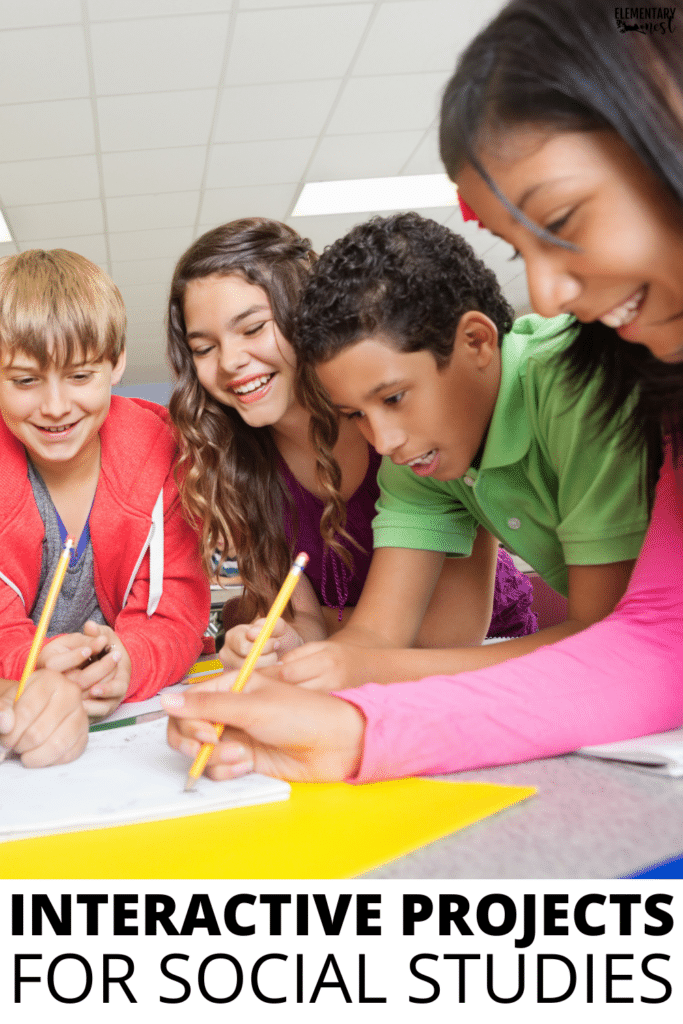
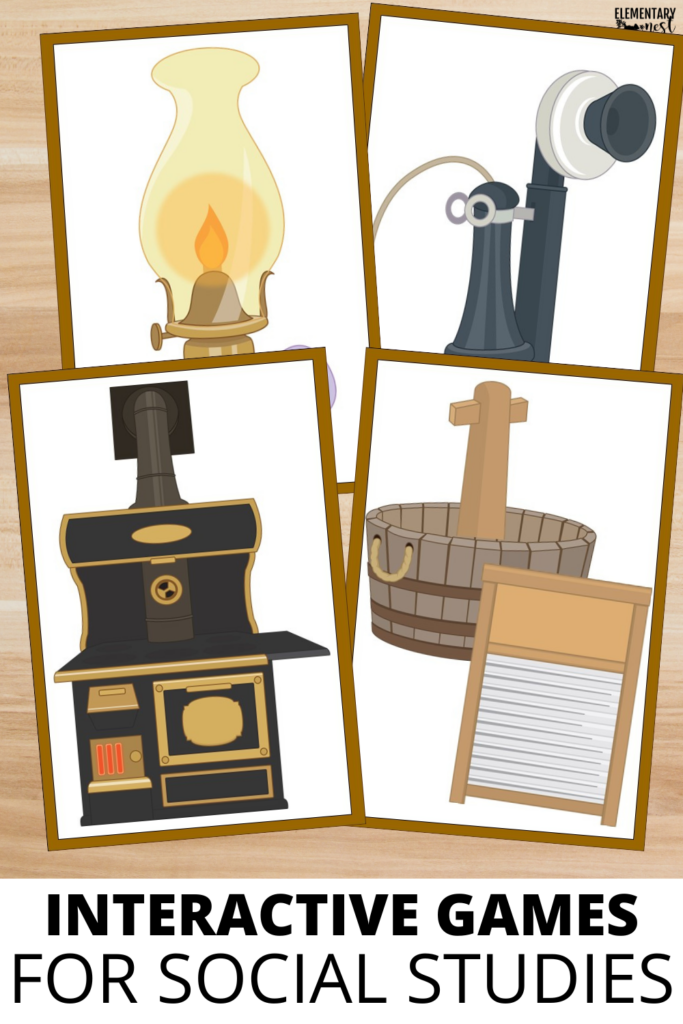
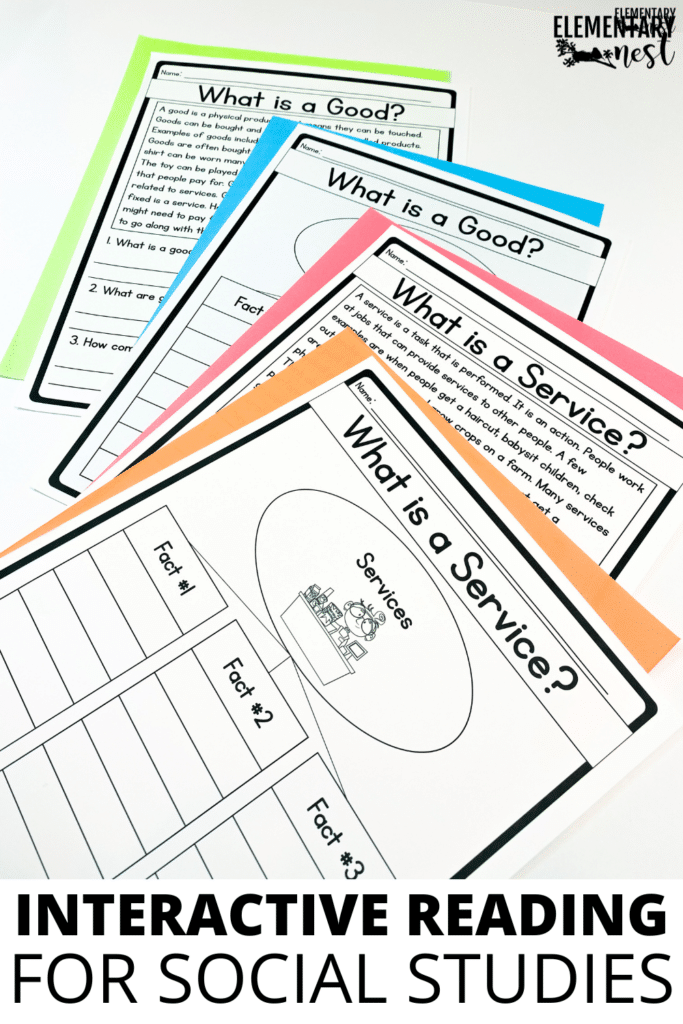
Activity Ideas:
- Inquiry-Based Projects: Allow students to choose a topic of interest within a historical period and guide them through the research process. This approach fosters independent learning and a deeper understanding of history.
- Time-Travel Journals: Have students maintain journals as if they were living during a particular historical era. This creative writing exercise helps them immerse themselves in the daily life and challenges of the past.
- Time Capsule Project: Have students create time capsules containing objects, drawings, and written reflections that represent their lives. Open the time capsules at a later date to explore how society and culture have evolved.
- Mapping Adventures: Allow students to map historical journeys, trade routes, or colonization movements. Mapping skills combined with historical understanding provide a visual representation of historical events.
- Noteworthy News: Students will craft “historical newspapers” with headlines and illustrations that capture significant moments.
3. Learning About People
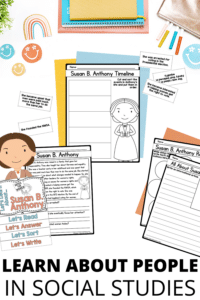

Additionally, it can be very engaging to learn about people. Whether it involves learning about people from the past and present or learning from people who are experts in social studies topics, including people is an effective tool.
Activity Ideas:
- Primary Source Investigations: Analyze authentic documents, photographs, and artifacts from the past. This cultivates critical thinking as students piece together historical narratives from primary sources.
- Field Experts and Guest Speakers: Invite historians, local experts, or individuals with personal connections to historical events to share their insights. This adds real-world context to classroom learning.
- Historical Figure Interviews: Assign students different historical figures to research and embody during interviews. This activity encourages deeper exploration of personalities and historical contexts.
- Biography Gallery Walk: Assign students historical figures to research and create biographical profiles. Organize a gallery walk where students present their findings, allowing peers to learn about various influential individuals.
- Biography Flip Books and Historical Figure Timelines: Have students read and write about important figures with interactive flip books and timelines (seen in the photo above).
4. Involve the Arts and other Subjects
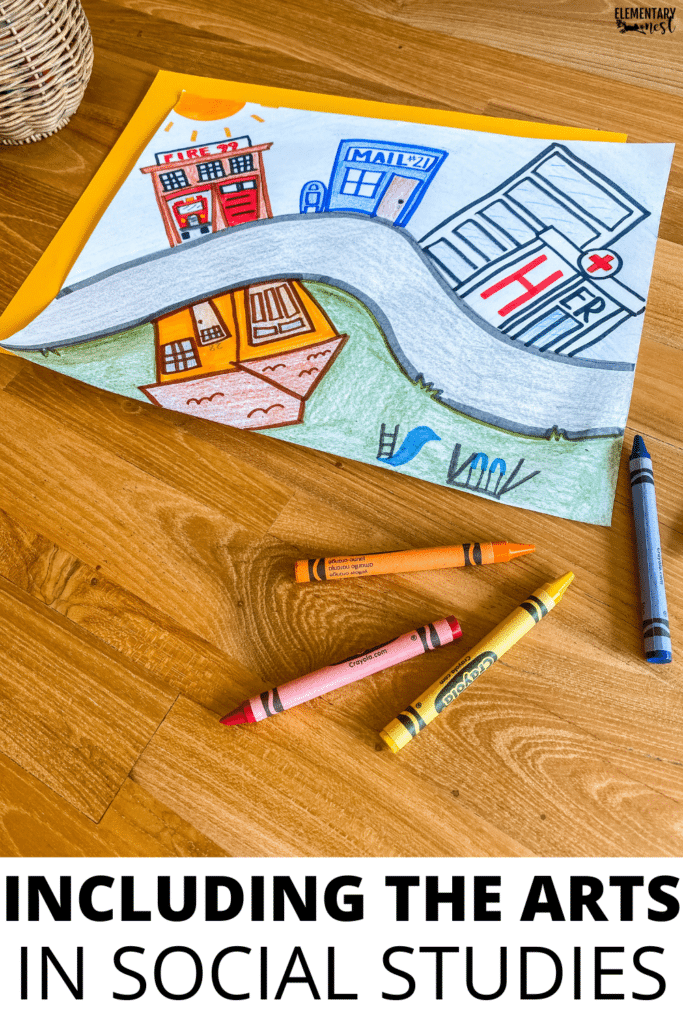
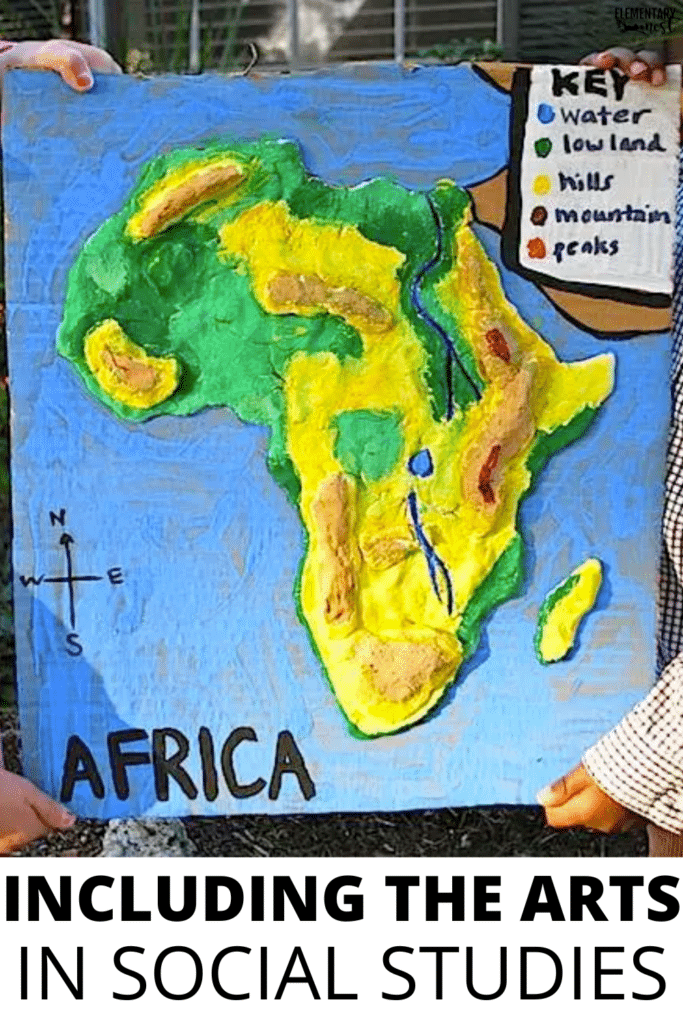
Simultaneously, you can integrate social studies with other subjects to create a holistic learning experience. Link history with literature, art, science, and math to demonstrate the interconnectedness of knowledge.
Activity Ideas:
- Historical Arts and Crafts: Incorporate art projects that replicate historical artifacts, clothing, or symbols. Creating tangible representations of history enhances students’ connection to the past.
- Living Wax Museum: Students select historical figures, research their lives, and present their findings as “living exhibits” in a classroom museum. This interactive display brings history to life.
- Salt Dough Mapping: Make salt dough maps of your region or other map contents that are in your curriculum. Here is a tutorial from Kid World Citizen.
- Historical Reading: Read historical novels or biographies that align with your social studies topics.
- Math Mapping: Calculate distances and travel times along historical trade routes in math class.
- Landmark Models: Construct models of famous landmarks or historical scenes using everyday materials.
- Classroom Exhibition: Organize a classroom exhibition where students display their projects and share their learning with peers and parents.
5. Make Connections with Social Studies
Lastly, bridge the gap between past and present by connecting historical events to current issues and global events. Encourage students to analyze how historical patterns and decisions continue to shape the world. Bring experts and real-world experiences into your classroom to provide authentic connections to social studies concepts. Arrange guest speakers, local experts, or visits to historical sites to enrich students’ learning.
Activity Ideas:
- Local History Investigations: Investigate the local history of your community through interviews and archival research.
- Inventions Impact: Have students research the impact of a specific invention on society.
- Historians & Community Leader Visits: Invite historians, community leaders, or veterans to share their insights with students.
- Field Trips & Local Visits: Organize visits to local historical landmarks, museums, or cultural institutions.
Making social studies engaging requires creativity, innovation, and a willingness to explore various teaching methods. By incorporating interactive simulations, utilizing technology, analyzing primary sources, and fostering cross-curricular connections, you can transform your social studies instruction into a captivating journey through time and cultures. Through these strategies, you’ll inspire curiosity, critical thinking, and a deep appreciation for the rich tapestry of history that shapes our world.
Suggested Resource for Your Goods and Services Unit
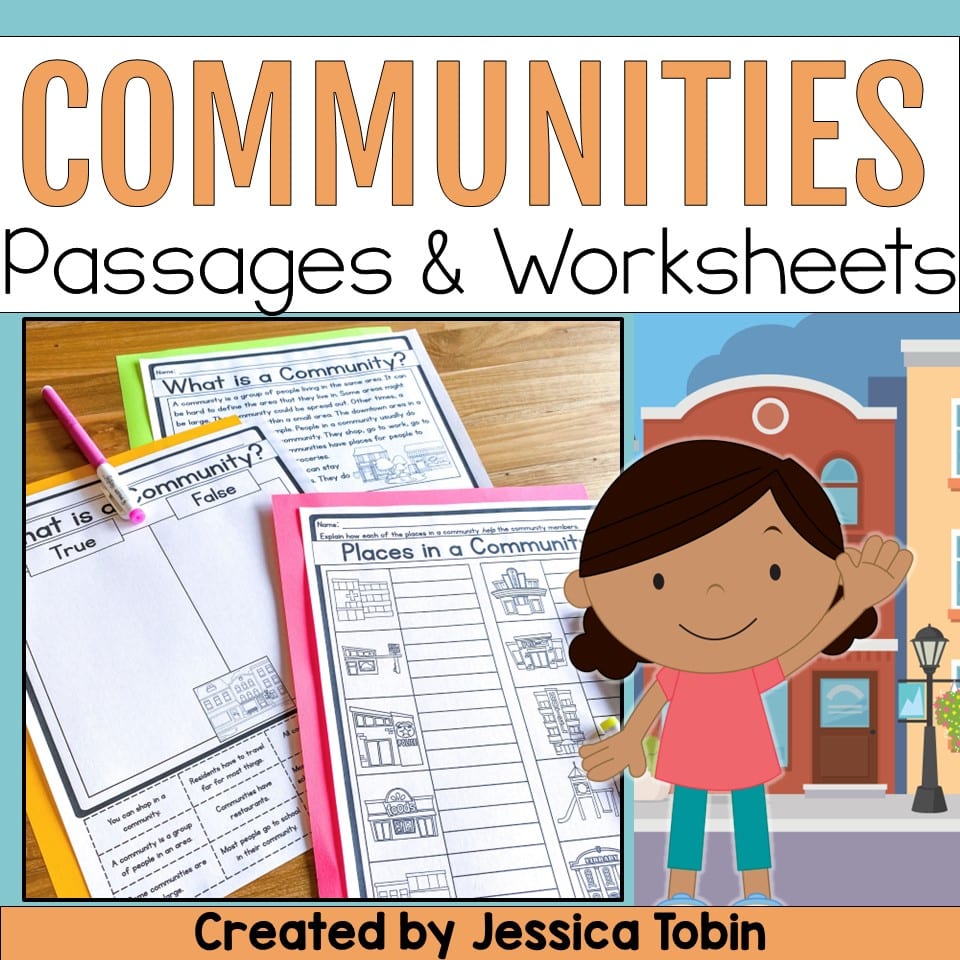
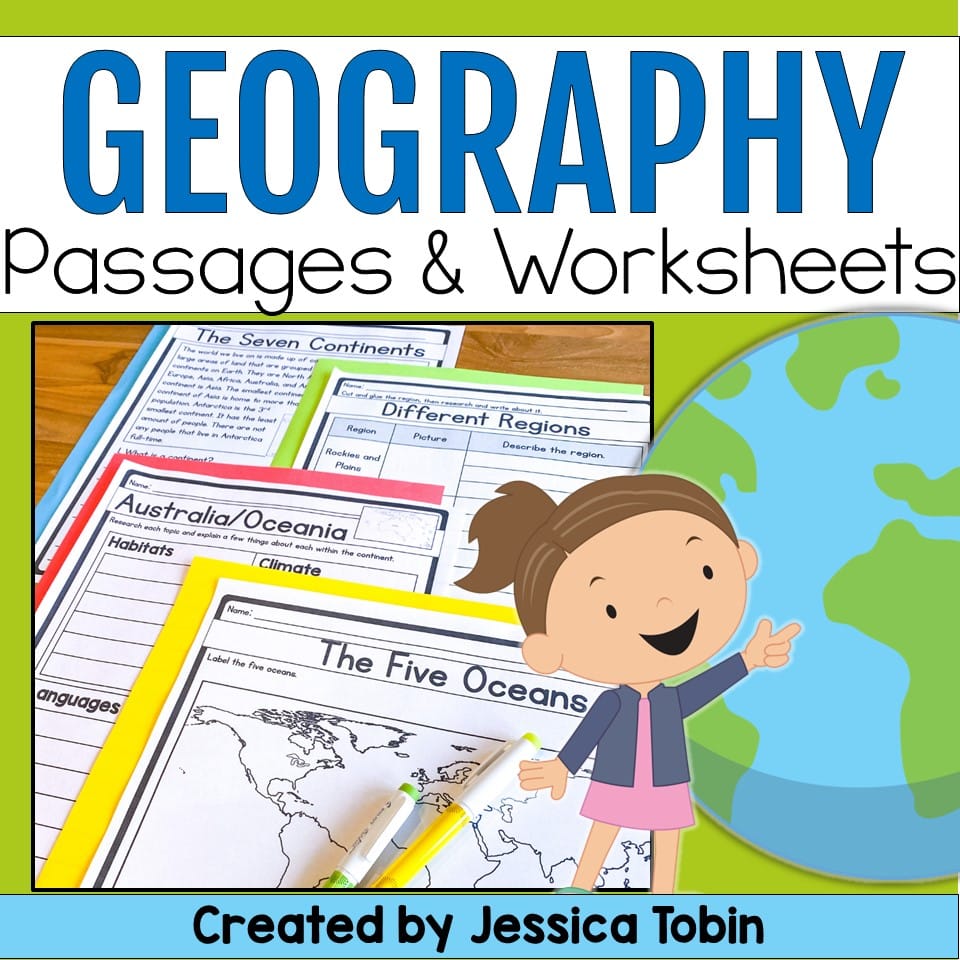

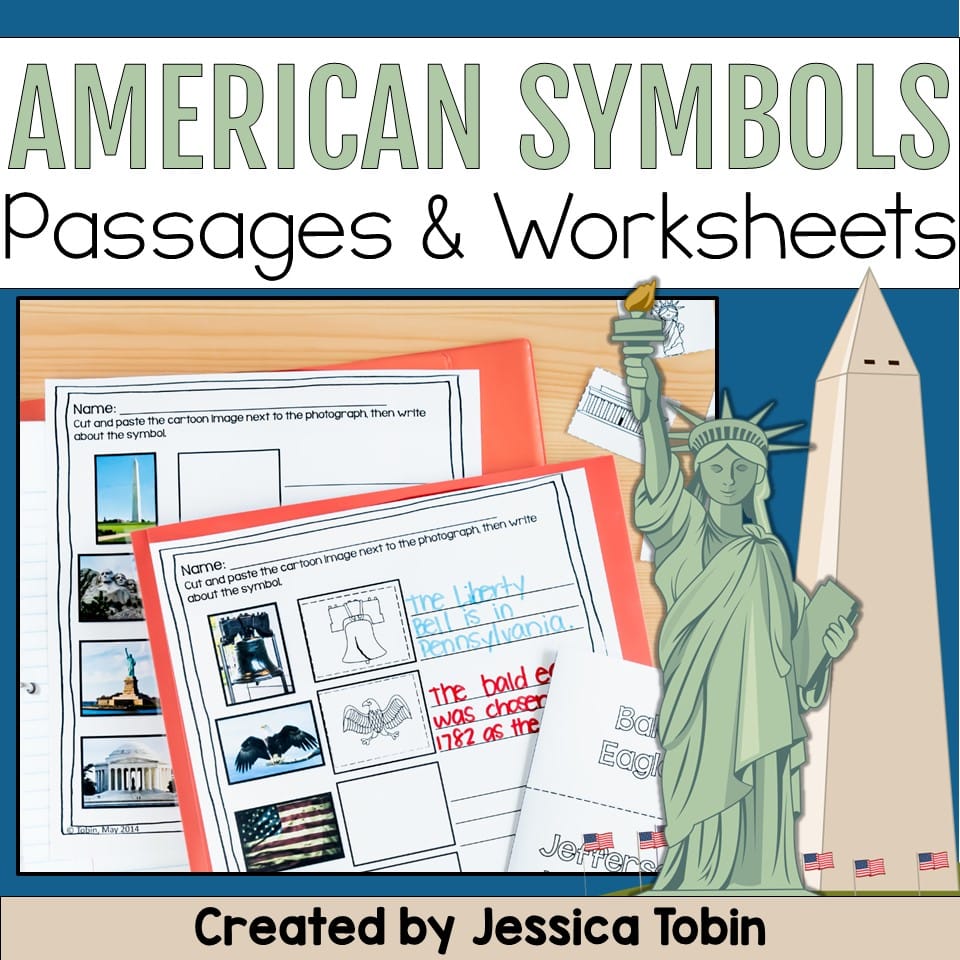
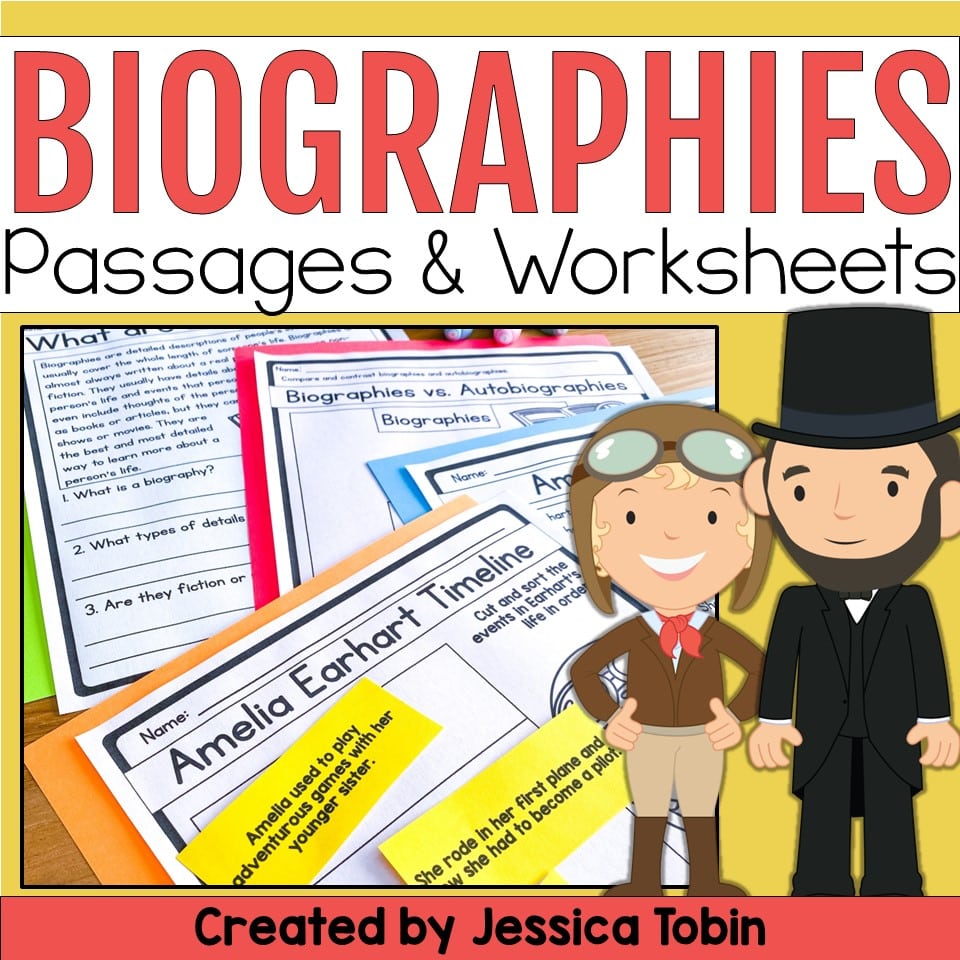
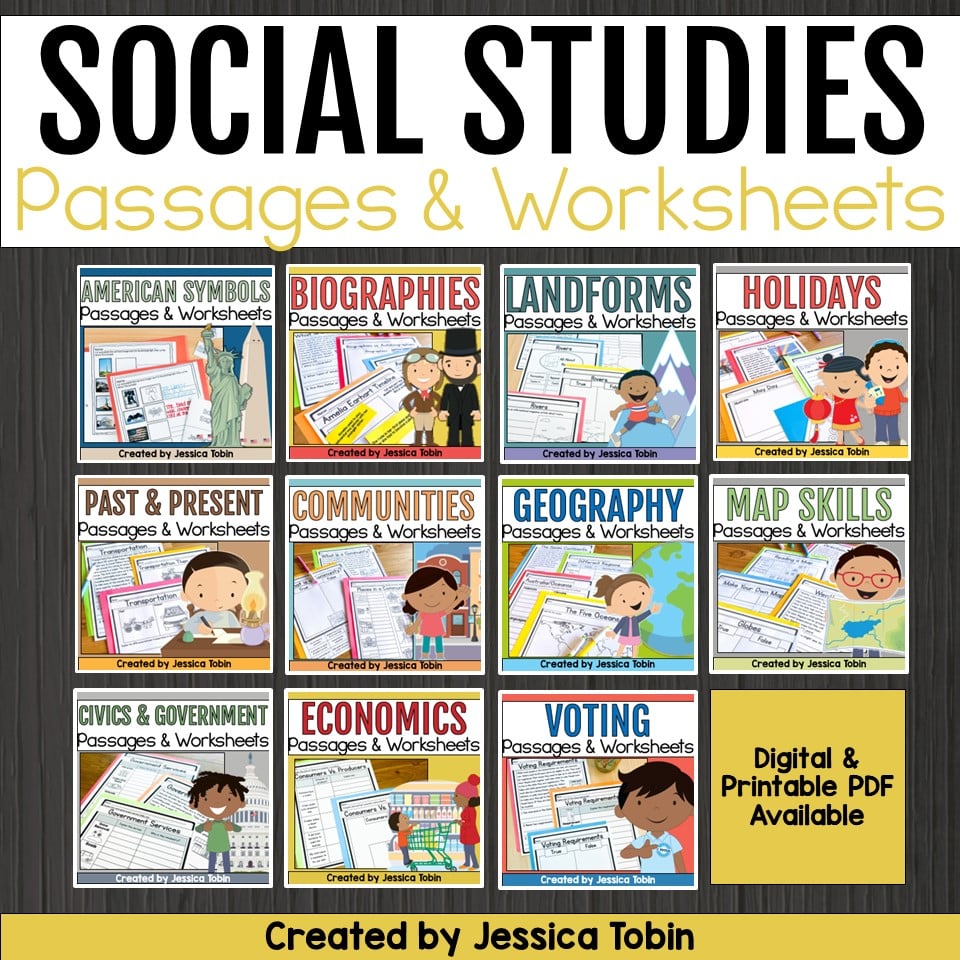
All of the printable activities in this post can be found in these no-prep packs! These social studies units come with both printable and digital formats of reading and writing activities, sorting, cut and paste activities, and more!