


As a teacher, you will often find yourself buried under heaps of paperwork, especially when it comes to reading and literacy units. Staying on top of classroom organization can be a challenge, but with the right system, it’s possible to keep everything in order and easily accessible. Today, we’ll explore three effective methods for organizing reading materials: 3-ring binders, accordion style file folders, and manila folders in a drawer. Each of these options has its own benefits, and choosing the right one for your classroom can make a world of difference in your daily routine.
3-Ring Binder: Classroom Organization Option 1

3-ring binders are a classic and versatile choice for organizing reading materials. They allow you to easily add, remove, and rearrange pages as needed. Here’s why binders might be the perfect solution for your classroom:
Pros:
- Flexibility: You can add dividers to separate different parts of the reading unit. You can also add materials and resources to each standard if you find a fun activity to add!
- Accessibility: Binders make it easy to flip through materials quickly. Grab the master copy and head down the hall to make copies!
Cons:
- Bulkiness: Depending on the size, binders can take up a lot of space.
- Durability: Binders can wear out over time, especially if they’re handled frequently.
To get started, gather all your reading unit materials and categorize them by topic or theme. Use one binder for each standard. Then, within each binder, separate each category and label them clearly. For example, you’ll have a section for lesson plans, reading passages, graphic organizers, etc. This method works particularly well if you prefer to keep your materials in a specific order and need to access them frequently.

Here’s an affiliate link to Amazon for a pack of 12 binders! (There are 17 reading units.)
2. Accordion Style File Folders: Organizing Reading Material Option 2

Accordion style file folders are another excellent option for organizing reading materials. These expandable folders can hold a large number of documents and are perfect for keeping everything in one place.
Pros:
- Compact: Accordion folders take up less space than binders and can be easily stored in a drawer or on a shelf.
- Organization: With multiple pockets, you can separate resources by week or type of material.
Cons:
- Limited Visibility: It can be harder to see all your materials at once compared to binders.
- Potential for Overstuffing: It’s easy to cram too much into one folder, making it difficult to find what you need.
To use this method, label each pocket of the accordion folder with the category, such as task cards or interactive notebook template pieces. You can also color-code the tabs for quick identification. This system is great for teachers who need to keep their materials portable and compact.

Here’s an affiliate link to Amazon for a 4-pack of Accordion file folders.
3. Manilla Folders in a Filing Cabinet

Manila folders in a drawer offer a straightforward and effective way to organize reading materials. This method is particularly useful if you have a dedicated filing cabinet or drawer for your teaching resources.
Pros:
- Easy Access: Folders can be quickly flipped through to find specific documents.
- Space Efficient: Drawers can hold a large number of folders, making it easy to store extensive reading units.
- Cost-Effective: Manila folders are inexpensive and readily available.
Cons:
- Maintenance: Keeping folders organized requires regular upkeep.
- Less Durability: Manila folders can wear out more quickly than binders or accordion folders.
To implement this system, label each manila folder with the unit or theme it contains. Arrange the folders alphabetically or by order of standard. This method is ideal for teachers who have a lot of materials and want to keep them out of sight but easily accessible.

As I stated earlier, the file folders are the most cost-efficient. Here’s a link to Amazon for 100 File Folders.
Finding the right method for organizing reading materials can save you time and reduce stress. Whether you choose 3-ring binders, accordion style file folders, or manila folders in a drawer, the key is to select a system that works best for your needs and stick with it. By keeping your reading materials well-organized, you’ll be able to focus more on teaching and less on searching for that missing worksheet. Happy organizing!
Looking for Ready-Made Passages, Graphic Organizers, & Lessons for ALL Reading Standards?

Kindergarten Reading Units

1st Grade Reading Units

2nd Grade Reading Units

3rd Grade Reading Units
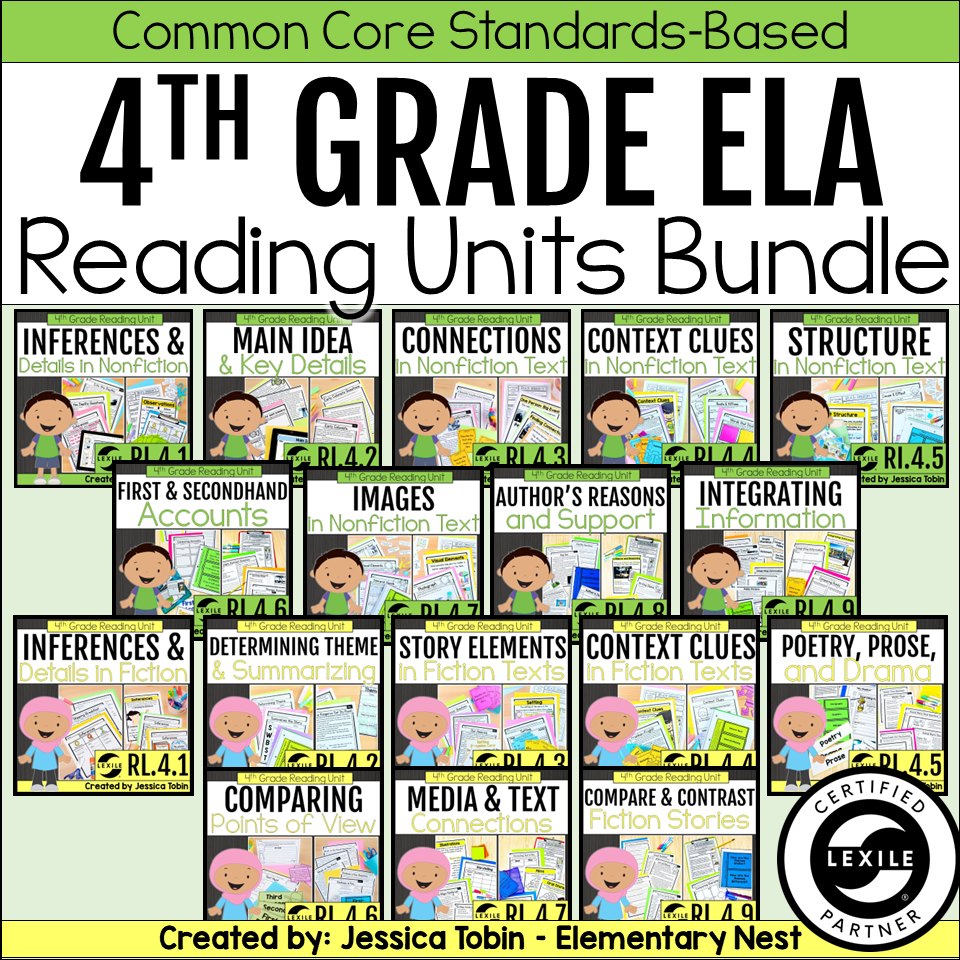
4th Grade Reading Units
Or… Check out the All-Year-ELA Membership!
With this membership, you will get all of my ELA standards-based units. This includes my standards-based materials for Reading Informational, Reading Literature, Writing, Language and Grammar, Vocabulary, Foundational Skills, and Speaking & Listening!