

In the realm of writing instruction, there is something that we should not be underestimating: mini-lessons. Using brief, targeted lessons can offer a multitude of benefits for both teachers and students. In this blog post, we will talk about three reasons why elementary teachers should always incorporate mini-lessons into their writing instruction. From whole-group instruction to utilizing mentor texts and creating structured writing blocks, mini-lessons are the secret to unlocking students’ writing potential and fostering a love for the written word.
1. Mini-Lessons for Whole-Group Instruction


One of the key advantages of mini-lessons is the chance to engage in whole-group instruction on writing. These lessons provide a platform to teach and reinforce essential writing skills, such as vocabulary and the structure of different writing standards (opinion, narrative, etc.). Through interactive discussions and familiar experience/prior knowledge activities, teachers can create a collaborative learning environment where students actively participate in the writing process. Additionally, mini-lessons facilitate modeling and guided writing activities, allowing students to witness writing strategies in action and receive immediate feedback, which sets them up for success as they embark on their own writing journeys.
Mini-Lessons Components to Plan for Writing
- Direct vocabulary instruction
- Structure & components of each writing type
- Accessing background knowledge and shared experiences
- Modeling writing process steps
- Guided practice pieces
You can, of course, incorporate writing into other parts of your day: spiraling skills, creative writing, and even cross-curricular activities! But, you will definitely want to protect some time for mini-lessons for intentional writing skill instruction.
2. Incorporate Writing Exemplars with Mentor Texts

Mentor texts serve as powerful tools to guide young writers. Mini-lessons provide a perfect opportunity to introduce mentor texts and utilize them as exemplars for student writing. By analyzing these texts together, students gain insight into effective writing techniques, voice, organization, structure, and more. They can then apply these newfound skills to their own writing, creating authentic and engaging pieces. Mentor texts not only serve as models but also ignite students’ creativity and help them find their unique writing voices.


Mentor texts should be chosen to highlight particular components of writing that you want your students to practice. This doesn’t just mean choosing mentor texts that are opinion, narrative, or informational exemplars. You want to look for examples of specific writing process skills. For example, if your students are working on incorporating dialogue, choose books that highlight good examples of this. If you’re introducing a writing type, use exemplars that have a strong structure.
I have recently posted a new YouTube video about using mentor texts in writing if you’d like more info on this topic! In this video, I go over how to collect the best titles for different reading and writing standards, how to select which method you want to organize your mentor texts, and how to label and annotate each book.
3. Time for Focused Instruction


A well-structured writing block is essential for fostering student growth and independence. Mini-lessons form the backbone of this block, providing focused instruction on specific writing skills or strategies. Following the mini-lesson, students have dedicated time for small-group work and individual writing conferences. During these sessions, teachers can offer targeted support, address individual needs, and provide feedback to help students refine their writing skills. This structured approach ensures that students receive personalized attention and allows teachers to differentiate their instruction effectively.
- Mini-Lesson
- Small-Group Instruction
- One-on-One Conferencing
- Independent Writing Time
The way you structure your writing block can vary, but the essential components will remain the same. Just be sure to include protected time for these things in order to create opportunities for your writers.
Activities from 1st, 2nd, and 3rd-grade CCSS Writing units are pictured above.
Incorporating mini-lessons into your writing instruction is a game-changer for both teachers and students. The opportunities for whole-group instruction, the use of mentor texts as exemplars, and the structured writing block with dedicated time for mini-lessons and small-group/individual conferences create a nurturing environment where students can flourish as writers. Embrace the power of mini-lessons and witness the transformation in your students’ writing abilities, confidence, and enthusiasm.
Grab this freebie to keep your planning and prep seamless!

FREE MENTOR TEXT ORGANIZER
When you sign up for my email list, this Mentor Text Organization freebie will be sent directly to your inbox. Check your email after this!
Resources That Are Ready to Go!


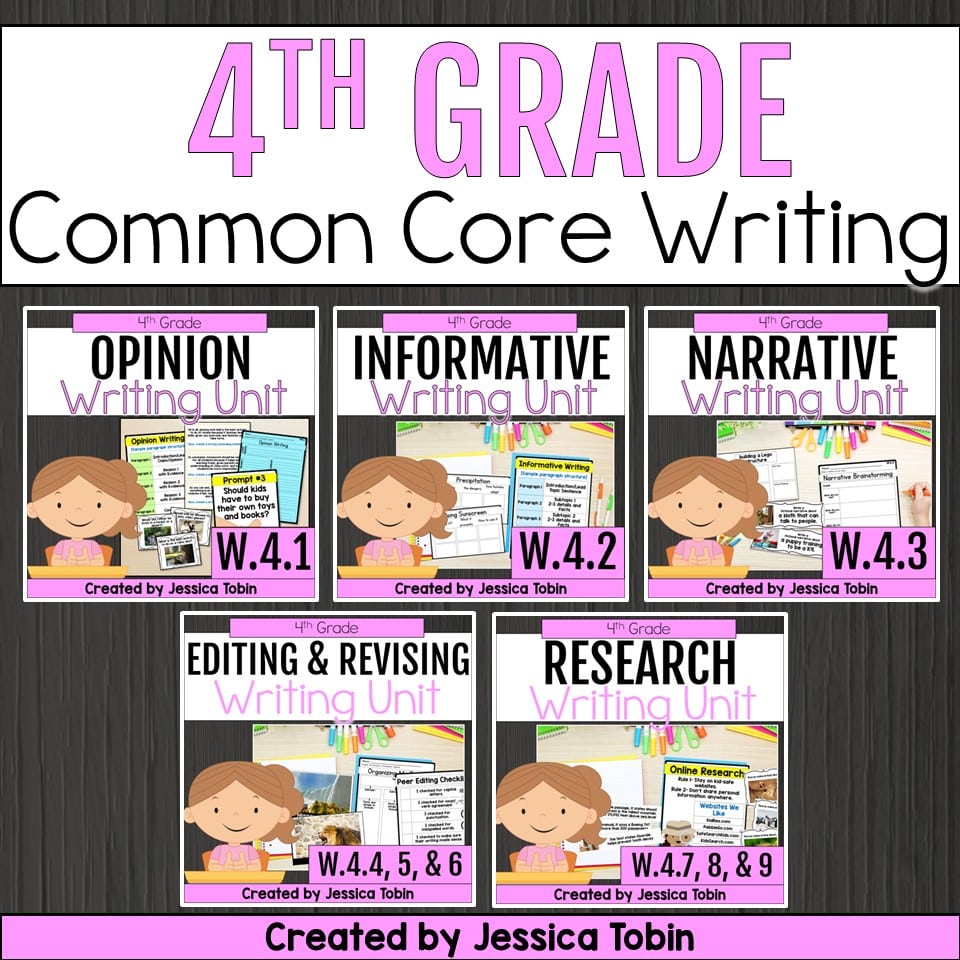
If you’re looking for writing lessons that are ready to go, these grade-level units have everything you need! Click your grade-level for a closer look!
Meanwhile, would you like to read more Writing posts?